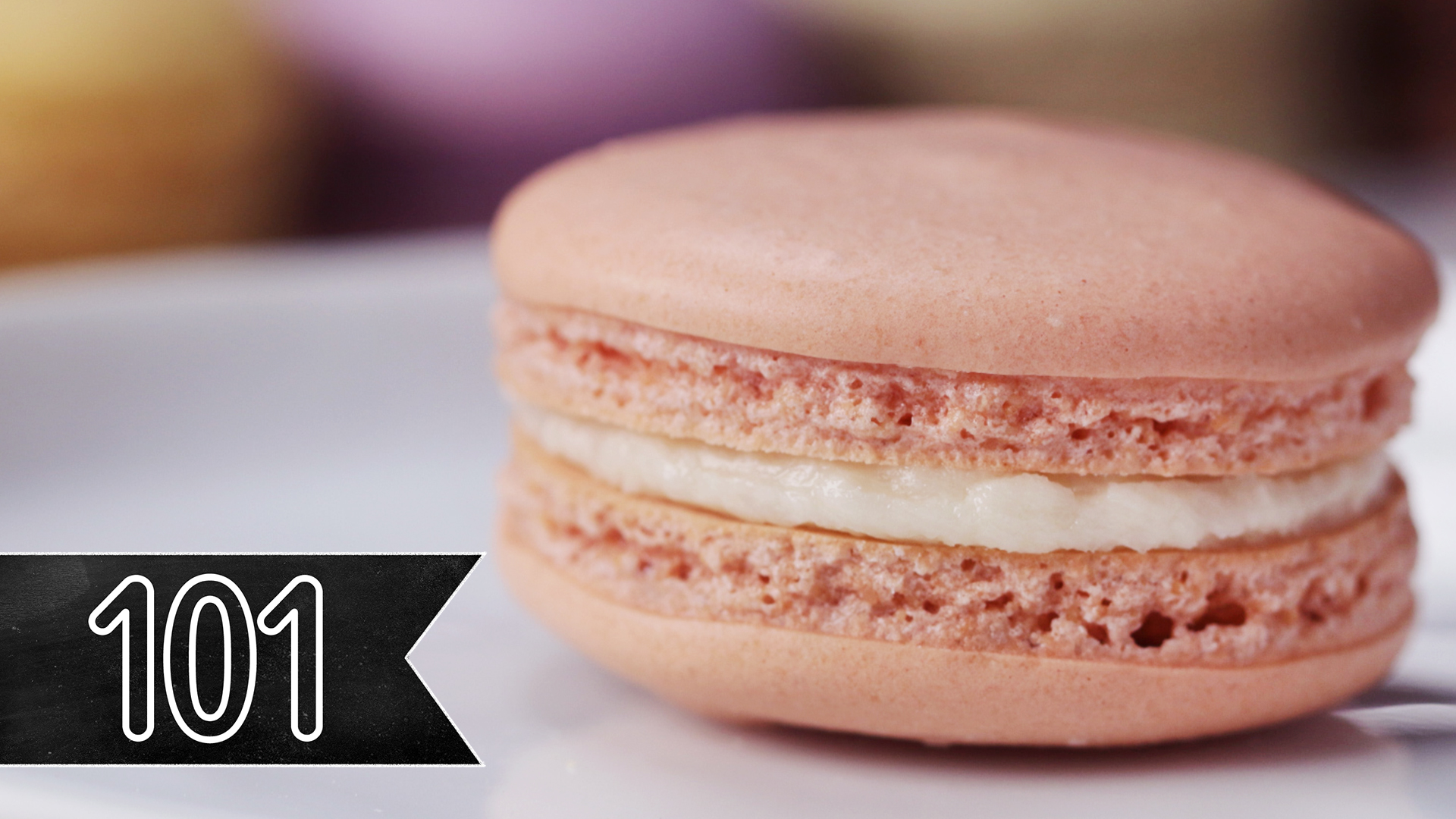
Macarons, not to be confused with macaroons (the coconut biscuit), are one of the most distinctive french desserts. Oddly enough, macarons were actually first made in Italy in the 1530’s, eventually being brought into France, and soon enough, Canada. There are two main methods to making these delightful treats; french and Italian. Macarons were named after the Italian word for fine dough; maccherone. Whichever way you make them, the end result is a recognizable cute bite-sized dessert; crunchy on the outside, chewy on the inside. Though they look simple enough, making these can actually very tedious and will probably take a few tries to get right.
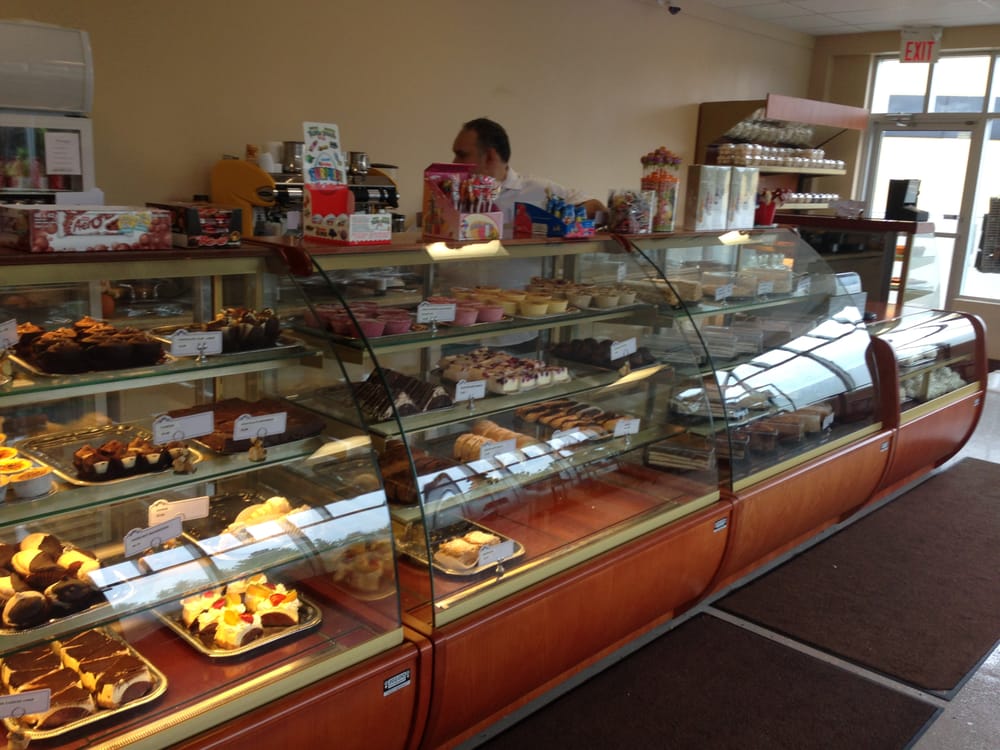
Macarons are sold all over Canada, giving us easy access to them through bakeries big and small. Personally, I enjoy visiting a local bakery called “Alice Bakery” in Oak ridges. They sell different baked goods, from small snacks like eclairs and macarons to many types of extravagant cakes. There’s something that’s just more personalized about picking out your dessert from a close by bakery opposed to grabbing a plastic container filled with desserts from a common store.
So, lets get into how to make a France styled macaron. The ingredients you will need are powdered sugar, almond flour, salt, eggs, vanilla extract, and granulated sugar. For the filling, you’ll need powdered sugar, unsalted butter, heavy cream, and vanilla extract. With these ingredients, each macaron costs about $0.18 to make at home, whereas they’re each about $4 to purchase elsewhere.
First, make the cookie portion. In a bowl mix 1 ¾ cups of powdered sugar, 1 cup of almond flour, and ½ teaspoon of salt; you should mix this in a food processor on low speed, until its fine. Sift this into a bowl and put aside for later. In a new bowl, beat 3 egg whites and ½ teaspoon of salt with an electric hand mixer . Slowly add in ¼ cup granulated sugar. Once you’re done beating (Tip: you should be able to hold the bowl upside down without anything falling out) add ½ teaspoon of vanilla extract. If you want to add food colouring, now would be the time. Slowly integrate the sifted almond flour mixture to the egg whites, using a spatula to fold until it’s fully combined.

Now you can move the macaron batter into a piping bag fitted with a round tip to squeeze out the batter onto the parchment paper. (Tip: you can draw out the circles you want to fill on the other side of the parchment paper before this to help plan) Don’t forget to gently pat the baking sheet on the table a few times; believe it or not, this can make a huge difference in your end result. Sit the macarons out at room temperature for up to an hour, until they’re dry.

Preheat your oven to 300˚F (150˚C) and bake for about 18 minutes (macarons should not be stuck to parchment paper). Let them cool once you’ve taken them out of the oven.
Now its time to make the buttercream filling! In a large bowl, add 1 cup of butter and beat with a mixer until it’s light and fluffy. Then, sift in 3 cups of powdered sugar and beat, followed by adding in 1 teaspoon of vanilla extract. Lastly, gradually add in 3 tablespoons of cream.Transfer the buttercream to another piping bag (like we did with the cookie batter) and add a small amount to hold two cookies together, successfully making a mini sandwich.

There are many different types and favours of macarons, but just mastering a plain type is challenging enough. Hopefully this has helped you learned to appreciate macarons and the work that goes into making them a little more. Next time you see a bakery, try and think past the final version.
 hfc3m
hfc3m 